YAMANASHI Home of Mt.Fuji
Main content starts here.
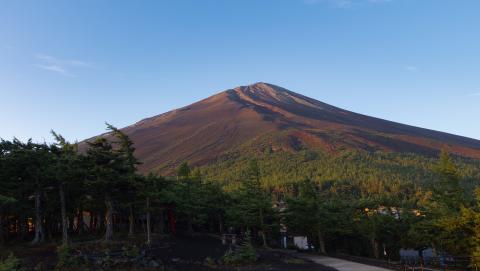
Home to Mt. Fuji, Yamanashi Prefecture is easily reachable from Tokyo but feels like a world away from the bustle of the capital. Besides Japan’s most sacred mountain, the nature-rich area hosts the picturesque Fuji Five Lakes, the sheltered highland resort of Kiyosato, solemn historical sites such as the Erinji and Kuonji temples, a remarkable variety of hot springs, abundant fruit trees,and some of the country’s best wineries. In short, Yamanashi has everything for travelers seeking to discover a new side of Japan, uncover the true beauty of the country, and recover their sense of wellbeing in the midst of nature.
-
Discoveries abound in Yamanashi, which except for the surroundings of Mt. Fuji is still very much under the mass-tourism radar. Some of the area’s true gems are notably secluded, making them ideal destinations for private getaways. This section points you to essential discoveries across the region, from picturesque valleys and waterfalls to hidden art museums and prehistoric ruins.
-
There’s no need to dig deep to uncover the true beauty of Japan in Yamanashi: the iconic views of cherry blossoms with the snow-covered Mt. Fuji in the background or the autumn foliage sparkling in countless shades of red and yellow on the mountainsides are right there. Here you will gain new perspectives on some of Yamanashi’s most famous sights and find hints on how to uncover their secrets.
-
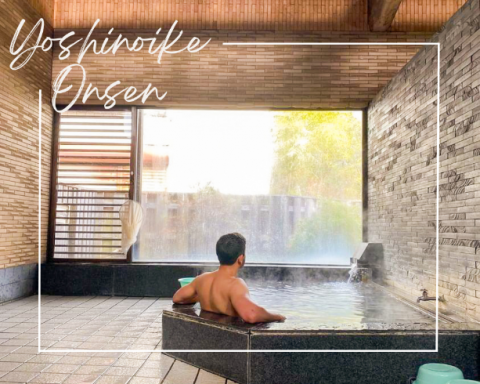
With wide open skies, gorgeous greenery, hot springs, and world-class cuisine, Yamanashi offers exhausted urbanites an opportunity to rejuvenate both the mind and the body, all while opening up new windows of inspiration. This section celebrates the healing properties of the region by highlighting the best destinations for recovering your well-being.
Explore by Area
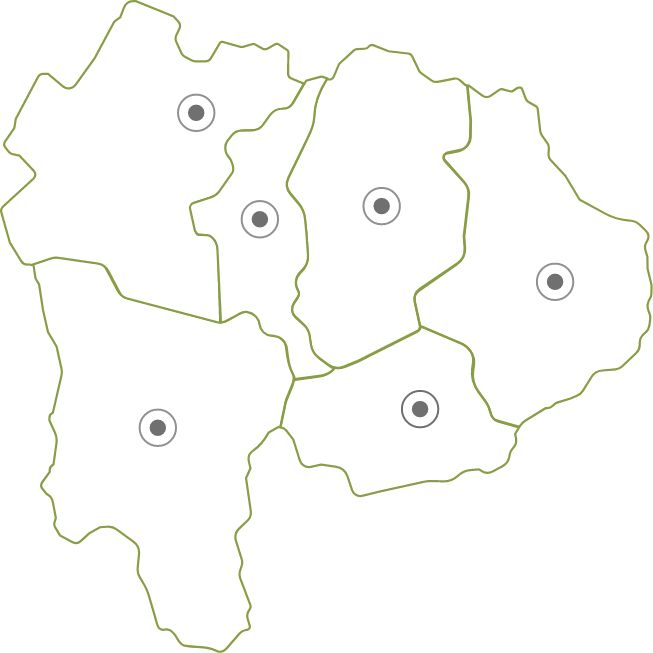
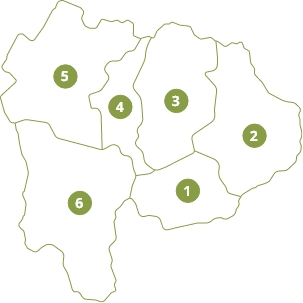
Yamanashi’s six major areas each have distinctive landscapes and traditions. Choose an area from the map below to find out more about it, and start planning your dream trip through Yamanashi.








YAMANASHI Home To Mt. Fuji